

Skip to content

Miss Younger

Miss Younger's Math Musings

  • About Me
  • First People’s Principals
  • Math
    • Teaching Math in BC Elementary Schools
    • First People’s Principals and Math
    • Math At Home
    • Mathematics Strategies for At Risk Students
    • Math For All
    • Math Games
    • Financial Literacy
    • Math and Technology
  • Contact Me
  • Division 5 Wonders
    • Division 5
    • Home Work
    • News Letters and Notices
    • Term 1
    • Term 2
    • Term 3
  • Queen’s Univeristy Graduate Work
    • Cont 933
    • GDE 831
    • Teaching Through Inquiry
    • GDE 832
    • GDE 833
    • PME 826
    • Planning for Inquiry
    • Assessment
    • Thinking
    • Leadership
    • Leadership in Mathematics
    • Inspiration
    • Innovation
    • Reflections
    • Inquiry
    • STEM
    • UDL
    • Mindset
    • Teaching
    • Videos
    • Resource Links
    • Data
  • Lesson Plans
    • Salish Sea
    • Language Arts
    • Science
    • Social Studies
    • Read Alouds
  • Technology
    • PIC RAT
    • Flip Grid
    • SAMR Model
    • Online Platforms
    • Coding
    • Unplugged Coding
  • Capstone Project
    • Project Bibliography
  • Toggle search form
  • Core Word – Joy Inquiry
  • Cont 933 Course Culminating Task Cont 933
  • Leadership Self Evaluation Rubric Assessment
  • Exploring Capstone Projects PME 896
  • Must Have Math Tools Math
  • Blooms Taxonomy in Education Assessment
  • Math Careers Math
  • Collective Presentation Math

Extending Thinking Questions

Posted on June 9, 2021June 9, 2021 By Amanda Younger No Comments on Extending Thinking Questions

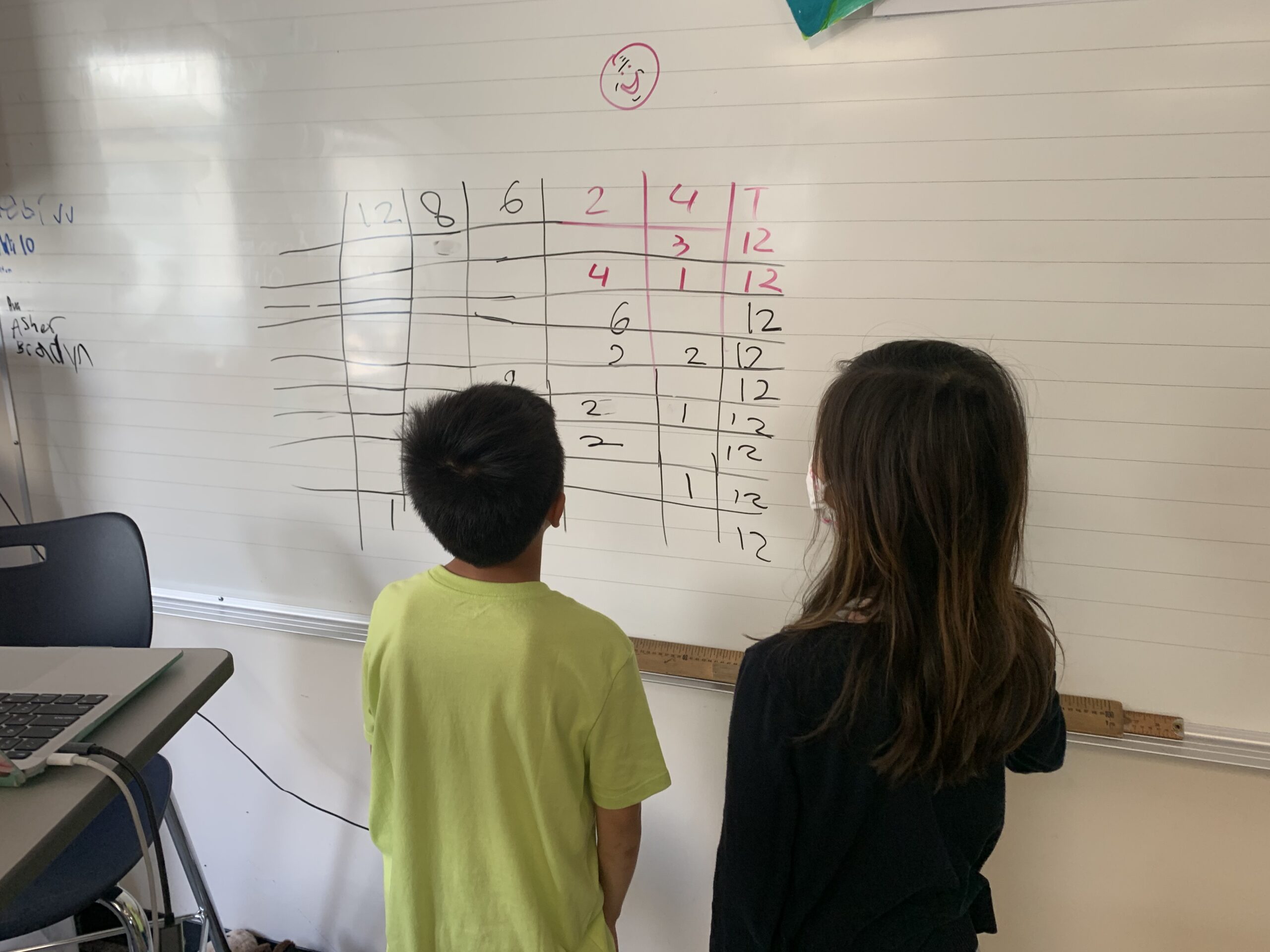
I love the idea of Low Threshold High Ceiling (LTHC) tasks, something that all our students can begin and be successful at but allow students to go as far as they want with their understanding. I’ve noticed that many rich tasks fit this description, students can all find an entry point to the activity and it can be extended in multiple ways. Using LTHC tasks works well with the Building Thinking Classrooms approach championed and written about by Peter Liljedahl and the 5 elements of great math lessons from Dan Finkle from previous posts. I am really beginning to enjoy the resources from NRICH.  The question stems in the Using Questions to Stimulate Mathematical thinking article were clearly laid out and easy to follow. The questions are also ones that could be used as “keep thinking” questions and that will lead students to having some “struggle time” with new ideas and information.

I admit to not knowing much about Jump, it’s strongly discouraged in my district to the point that when brought up in a staff meeting for discussion my principal went as far as to say, “absolutely not”. However, every time I look at their resources or read the author’s work, I am underwhelmed, the work is a series of repeated problems with little context and their examples for bonus questions did the same. The more I am learning about teaching math the more I realize that context and connection to the world beyond the classroom are essential. Adding more digits to a problem does not extend thinking, while it may take a student more time it does not build their thinking skills to repeat an algorithm they already know. I also disagree with presenting word problems as the default for bonus questions. Rarely does life hand you equations already prepared.

Both approaches require students and teachers to have a growth mindset and be willing to attempt problems even if they are unsure. Presenting problems as a puzzle to be solved may help reduce student anxiety about the problem. I have noticed that using rich tasks many of which are LTHC tasks combined with Liiljedahl’s approach to build thinking skills math anxiety is decreasing, even my reluctant mathematicians and students who find math challenging are starting problem solving tasks.

Extension questions for equivalent fractions

  1. Draw and write three equivalent fractions for 3/6
  2. James ate 2/8 slices of pizza; Josh ate 4/16 slices did they eat the same amount of pizza how did you know?
  3. How many ways could you slice a cake so it can be split in thirds. Draw a diagram to show your thinking.
  4. Your principal wants half of the classes outside at a time, what ways could you divide your school for this to happen?
  5. Explain how you know if two fractions are equivalent using sentences and diagrams.
  6. Create a clip or short video explaining how you know two fractions are equivalent.
Math, Teaching Math in BC Elementary Schools

Post navigation

Previous Post: Math Difficulties and a slight tangent
Next Post: Embracing Gifted Learners

Related Posts

  • Family Numeracy Matters Math
  • Comparing Two Articles Cont 933
  • Balanced Numeracy Math
  • Capstone Topic, Format and Rational Math
  • Data Analysis Reflection Leadership
  • Outdoor Math First People's Principals

Leave a Reply Cancel reply

Your email address will not be published. Required fields are marked *

Recent Posts

  • Capstone Project Mind Map
  • Capstone Topic, Format and Rational
  • Chat GPT Again – For The Last Time
  • Exploring Capstone Projects
  • PME 896 Personal Introduction

Recent Comments

    Archives

    • August 2024
    • July 2024
    • March 2024
    • January 2024
    • December 2023
    • May 2023
    • March 2023
    • November 2022
    • September 2022
    • August 2022
    • March 2022
    • February 2022
    • January 2022
    • November 2021
    • September 2021
    • August 2021
    • July 2021
    • June 2021
    • February 2021

    Categories

    • About Me
    • Assessment
    • Coding
    • Cont 933
    • Curriculum
    • Data
    • Financial Literacy
    • First People's Principals
    • Flip Grid
    • GDE 831
    • GDE 832
    • GDE 833
    • Grade 4
    • Innovation
    • Inquiry
    • Inspiration
    • Language Arts
    • Leadership
    • Leadership in Mathematics
    • Lesson Plans
    • Math
    • Math and Technology
    • Math Games
    • Mathematics Strategies for At Risk Students
    • Mindset
    • News Letters and Notices
    • Number Agility
    • Number Sense
    • Online Platforms
    • PIC RAT
    • Planning for Inquiry
    • PME 810
    • PME 826
    • PME 894
    • PME 896
    • Read Alouds
    • Reflections
    • Salish Sea
    • SAMR Model
    • Science
    • Social Studies
    • STEM
    • Teaching
    • Teaching Math in BC Elementary Schools
    • Teaching Through Inquiry
    • Technology
    • Term 1
    • Thinking
    • UDL
    • Uncategorized
    • Unplugged Coding
    • Videos
    • Who HQ
    • Wonders

    Meta

    • Log in
    • Entries feed
    • Comments feed
    • WordPress.org

    Recent Posts

    • Capstone Project Mind Map
    • Capstone Topic, Format and Rational
    • Chat GPT Again – For The Last Time
    • Exploring Capstone Projects
    • PME 896 Personal Introduction

    Archives

    • August 2024 (3)
    • July 2024 (10)
    • March 2024 (6)
    • January 2024 (1)
    • December 2023 (20)
    • May 2023 (7)
    • March 2023 (5)
    • November 2022 (3)
    • September 2022 (1)
    • August 2022 (5)
    • March 2022 (9)
    • February 2022 (11)
    • January 2022 (2)
    • November 2021 (8)
    • September 2021 (1)
    • August 2021 (1)
    • July 2021 (17)
    • June 2021 (44)
    • February 2021 (1)

    Categories

    • About Me (1)
    • Assessment (30)
    • Coding (4)
    • Cont 933 (22)
    • Curriculum (1)
    • Data (2)
    • Financial Literacy (1)
    • First People's Principals (11)
    • Flip Grid (1)
    • GDE 831 (5)
    • GDE 832 (12)
    • GDE 833 (2)
    • Grade 4 (20)
    • Innovation (6)
    • Inquiry (26)
    • Inspiration (15)
    • Language Arts (5)
    • Leadership (16)
    • Leadership in Mathematics (14)
    • Lesson Plans (19)
    • Math (74)
    • Math and Technology (22)
    • Math Games (4)
    • Mathematics Strategies for At Risk Students (5)
    • Mindset (2)
    • News Letters and Notices (1)
    • Number Agility (2)
    • Number Sense (7)
    • Online Platforms (4)
    • PIC RAT (3)
    • Planning for Inquiry (14)
    • PME 810 (9)
    • PME 826 (23)
    • PME 894 (3)
    • PME 896 (5)
    • Read Alouds (1)
    • Reflections (17)
    • Salish Sea (3)
    • SAMR Model (1)
    • Science (5)
    • Social Studies (7)
    • STEM (4)
    • Teaching (48)
    • Teaching Math in BC Elementary Schools (46)
    • Teaching Through Inquiry (20)
    • Technology (14)
    • Term 1 (1)
    • Thinking (8)
    • UDL (3)
    • Uncategorized (3)
    • Unplugged Coding (1)
    • Videos (2)
    • Who HQ (1)
    • Wonders (1)
    • Online Tools Analysis Cont 933
    • Engaging Families in Numeracy Math
    • Response to the Mathematician’s Lament Inspiration
    • Chat GPT Again – For The Last Time Online Platforms
    • PME 826 Student Introduction Assessment
    • Planning a Class Party Cont 933
    • Mathematical Vocabulary Math
    • Queen’s University Graduate Work Uncategorized

    Copyright © 2025 Miss Younger.

    Powered by PressBook News WordPress theme